
Search Results for: pink reel parte 2
-
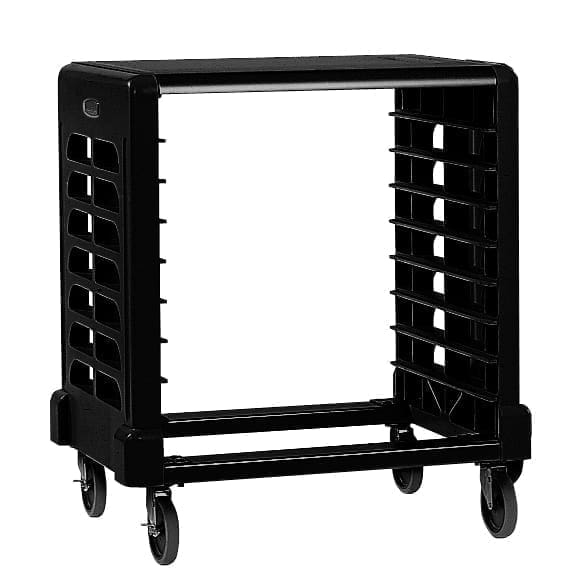
Food Service Tray Trolleys ProServe
3rd March, 2017 | by excitemediaIdeal for a wide range of food preparation, transport, serving and storage tasks. The innovative system is specially designed to work with full-size food pans, food boxes and sheet pans.
Components are made of impact-resistant structural web plastic. The heat-resistant plastic construction allows hot baking pans (176°C max) to be pulled directly from the oven and placed on the rack.
Racks and Carts are designed with soft, rounded corners that are easy on walls, doors and other equipment. The quiet handling and upscale design allow workers to move food directly from the kitchen to the dining room for fast restocking without repeated trips.All castors are non-marking swivel type and 2 fitted with brakes.
-
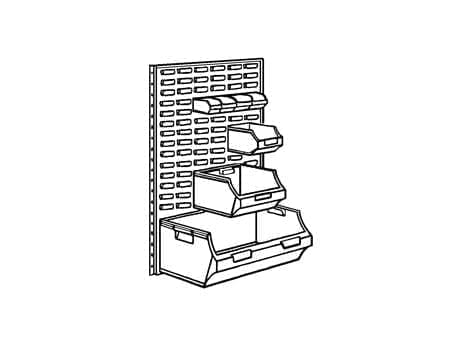
Louvre Panels
3rd March, 2017 | by excitemediaLouvre Panels are the economical alternative to shelving, drawer storage or cupboards. Louvre Panels can be fixed to any flat vertical surface such as walls, shelving ends, columns, free standing racks or trolleys.
Offering practical utilisation of valuable wall space as the perfect backboard for arranging and hanging the various semi open front plastic storage bins. Various combinations are possible to suit your requirements for a very useful and organised way of sorting and storing all your small parts. There are also 2 sizes of louvre panels made from ABS plastics with inter-locking ends for modular setup. The design ensures bins sit strongly and securely onto the panel.
Multiple Louvred Panels can be mounted to create a large area of panelling. metal panels are manufactured from 1.6mm thick steel and powder coated APO grey
-
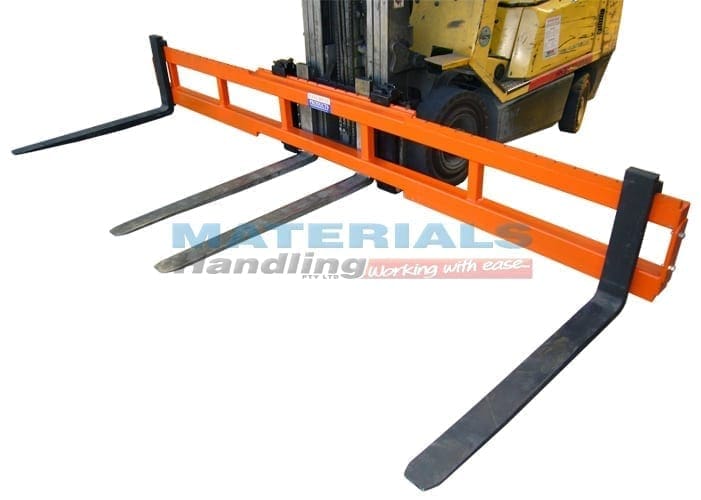
Fork Spreaders Forklift Carriage Mounted
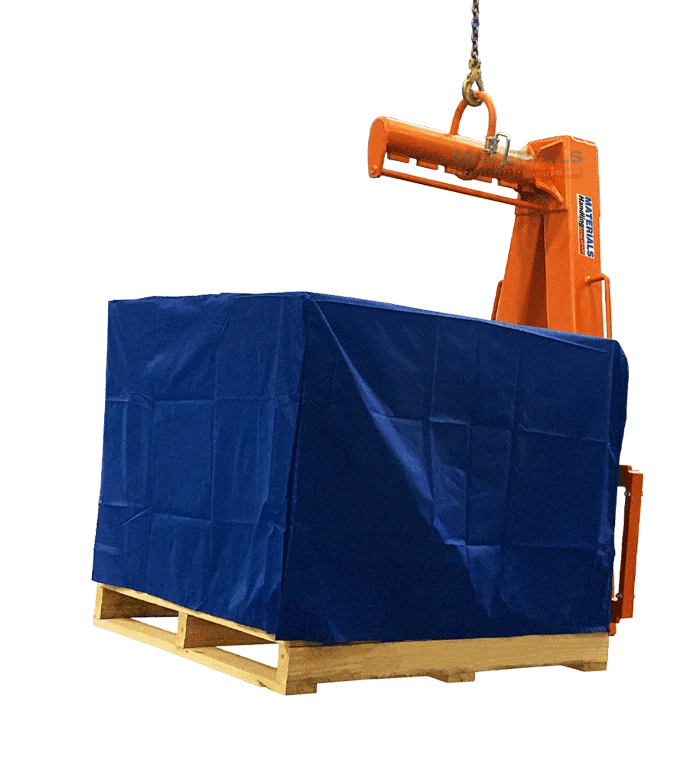
3rd March, 2017 | by excitemediaThe unique MFWL CARRIAGE MOUNTED FORK SPREADER allows for connection to the forklift without requiring fork tynes. Adjustable hook-on points allow the position of the forklift forks to be moved to the optimum position and still allow connection of the fork spreader to the carriage. Quick release bottom hooks ensure safe and easy connection without the use of tools. Outer forks are adjustable between 1300 and 3500 mm centres allowing the fork spreader to be used as a wide load attachment. These are perfect for transporting otherwise easily damaged and flexible products such as plasterboard and timber, leaving minimal gaps between the packs. Supplied with outer forks 1070 mm long. Enamel painted finish in safety orange.
MFWL236 Class 2
- Overall Width: 3640 mm
- Unit Weight: 280 kg
- Working Load Limit (WLL): 2500 kg @ 600 mm Load Centre
MFWL336 Class 3
- Overall Width: 3640 mm
- Unit Weight: 410 kg
- Working Load Limit (WLL): 3000 kg @ 600 mm Load Centre
-
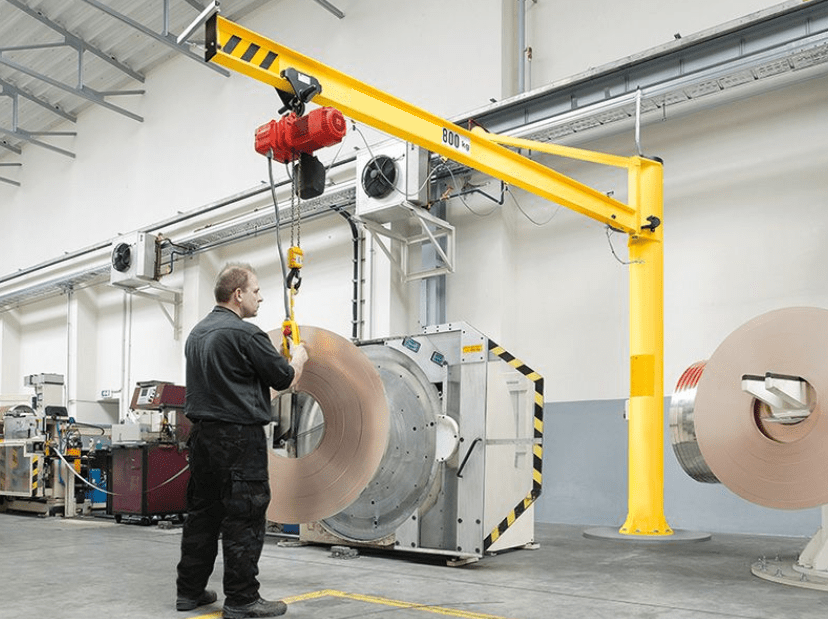
How To Boost Your Profits With The Right Jib Crane
2nd January, 2024 | by ConetixSupportSelecting the Perfect Jib Crane to Meet Your Business Needs
Choosing the perfect jib crane streamlines your operations and significantly boosts profits by enhancing efficiency and reducing operational costs. We offer a wide range of material handling products, each made for different jobs – but which is right for your business?
To make the right decision, you need to know which piece of material lifting equipment you need so that it aligns perfectly with your business’s unique requirements. The solution is to consider specific factors that define each crane, such as how much weight they can lift, where you’ll use them, and how much space they need.
Let’s start with an overview of our fleet of material handling products and then move on to the specifics that help you select the best one for your business.
Types of Jib Cranes
At Materials Handling, we have four different categories of jib cranes, as well as supporting equipment – here’s a quick overview of these cranes and their uses.
1. Davit Cranes
Ideal for portable lifting, the Aluminium Porta-Davit and T-Davit models offer flexibility and ease of movement. These cranes are especially useful in outdoor and remote job sites, as they can easily be transported and set up quickly for tasks such as construction lifting and emergency rescue operations.
2. Floor Cranes
The Mobile Workshop crane is perfect for manoeuvring in tight spaces, ensuring material lifting is efficient even in constrained environments. These jib cranes are ideal for indoor use in warehouses and workshops, where their compact design allows for efficient lifting and handling of materials without obstructing regular operations.
3. Gantry Cranes
These include the Mobile and Mobile Aluminium Porta-Gantry models, which are suitable for larger-scale operations requiring mobility and robust lifting capacity. Gantry Cranes are valuable in shipyards, construction sites, and manufacturing plants, where they can handle heavy loads and provide essential support for tasks such as equipment assembly and lifting and transporting heavy materials.
4. Specialised Jib Cranes
The Aluminium MechRail, Articulated, Low Headroom, Portable MobiCrane, Modular JibFlex, and Workstation material handling products cater to specific requirements. For example, low headroom spaces or the need for precise positioning.
5. Support Equipment
Jibs for Cable and Hose Supply, Quick-Lift Arms, and the Vacuum Lifter EasyCrane augment the functionality of jib cranes, facilitating smoother operations.
When choosing material lifting equipment, consider these factors
Now that we’ve explored different types of material lifting equipment and their applications, it’s important to focus on the key factors to consider when choosing the right jib crane for your specific business needs.
- Load Capacity: Match the crane’s capacity with your typical lifting requirements.
- Reach and Coverage: Ensure the crane’s arm length and rotation meet your workspace’s dimensions.
- Installation Requirements: Evaluate your facility for installation feasibility, including space and structural support.
- Maintenance Needs: Regular maintenance is vital for safety and longevity. Choose a crane with accessible parts and service options.
When you consider these factors and understand the unique applications of each jib crane, you’re in an excellent position to select the one that aligns perfectly with your business’s needs. For more details on our material lifting equipment, call us at 1300 258 407 or email us – we’re glad to help!
-
Safety Matters: Best Practices for Operating Pallet Forks on the Job
19th December, 2023 | by ConetixSupportIn every workplace and on every worksite, safety is of paramount importance. Ensuring your team can operate in a secure and accident-free work environment is not just a legal obligation but a moral one.
Pallet forks are a crucial piece of equipment for moving and transporting goods and products around the workplace. But they do introduce a risk factor.
To help you make the most of both the utility of pallet forks, and even pallet hooks, while maintaining an impeccably safe workplace, we’ve put together this handy guide of best practices for you.
1. Inspect and Maintain Equipment
The pallet forks you use should be inspected regularly and maintained frequently. This ensures that any signs of wear and tear, damage or malfunction are identified as soon as possible and the risk of injury or accident is minimised. Even when there are no concerning signs of degradation, routine maintenance should be carried out on a rigorous schedule. Keeping everything lubricated, properly pressurised and tightened is a proactive way of taking care of your pallet forks and, in turn, your team.
2. Train Your Operators
Knowledge is power and power in this instance is maintaining a safe workplace for all. A well-trained pallet fork operator will have the skill and understanding to control this useful piece of equipment in a way that will minimise potential hazards in the work environment. It’s not just about operations either. Training your team on general OH&S best practice will help promote a safe environment and reinforce your commitment to everyone’s wellbeing.
Consider more formal or official training programs to cover the basics of operation but also load capacity awareness. Provide support in understanding the dynamics of load distribution and the potential impact on stability. Remember, these lessons and training should be regularly updated and your team given refresher sessions to make sure everyone is across necessarily updates in safety regulation or differences in equipment specifications.
3. Familiarise Yourself with OSHA Guidelines
As we mentioned above, safe operation of pallet forks and pallet hooks, as well as all Materials Handling equipment, is not just about meeting legal requirements but ethical ones as well. Nevertheless, ensuring your understanding of and compliance with relevant Occupational Safety and Health Administration (OSHA) guidelines is both non-negotiable and a good place to start. These regulations cover everything from operating practices to equipment specifications, and can help you create a truly safe workplace for the entire team.
If you’re unsure what sort of training you should be conducting or records of pallet fork inspections and maintenance you should be keeping, the OSHA guidelines are invaluable for ensuring you meet all safety, legal, regulatory and moral obligations.
4. Load Capacity Awareness and Attachment Usage
Safe pallet fork operation requires many different skills: Operation of the equipment itself, awareness of one’s surroundings, and even load capacity awareness. Exceeding specified weight limits can compromise one’s safety, the stability of the equipment and the risk of accident and injury. All operators need to be well-informed on the weight bearing capacity of the pallet forks in use.
If your team uses attachments, make sure they are properly trained in its usage to avoid loads being unbalanced and decrease the risk of accidents from occuring. Regular training and open communication are good ways to tackle this challenge.
5. Safely Handling Practices Culture
A culture of safety first is critical for ensuring safety comes first. Enforce proactive responses and communication to ensure operators operate the pallet forks at controlled speed, maintain load capacities requirements, avoid abrupt movements and keep clear visibility of their surroundings. Keeping the workplace safe and secure for everyone requires a team effort and the operations of a team begins and ends with the culture and precedent that is created.
Find Your High Quality Pallet Forms at Materials Handling
Prioritising safety requires awareness and commitment in the workplace. When it comes to pallet-moving machinery such as pallet forks, your best first step is sourcing the equipment from a reliable, reputable supplier: such as Materials Handling.
Check out our range of pallet forks and pallet hooks today to find the right equipment to help you operate safely, efficiently and productively.
-
2022 Christmas Holiday Closure
20th December, 2022 | by Matthew BrittainTo celebrate the Christmas Holidays the Materials Handling Pty Ltd office will temporarily close from 1:00 PM (AEST) on Friday, 23 December 2022.
Welcoming the new year, we will reopen on Monday, 9 January 2023 at 7:30 AM.
Due to this shutdown period, orders and delivery times may be affected. When placing your order or seeking a quote, please keep this in mind.
As the year comes to a close, we wish to thank our friends, clients, suppliers, subcontractors, and community for their continuous support. We are hopeful and excited about the future at Materials Handling Pty. On behalf of our whole team, we wish you a joyous and safe holiday season. We hope you have a prosperous holiday break filled with good health and happy memories. May your 2023 see you always ‘working with ease…’.

-
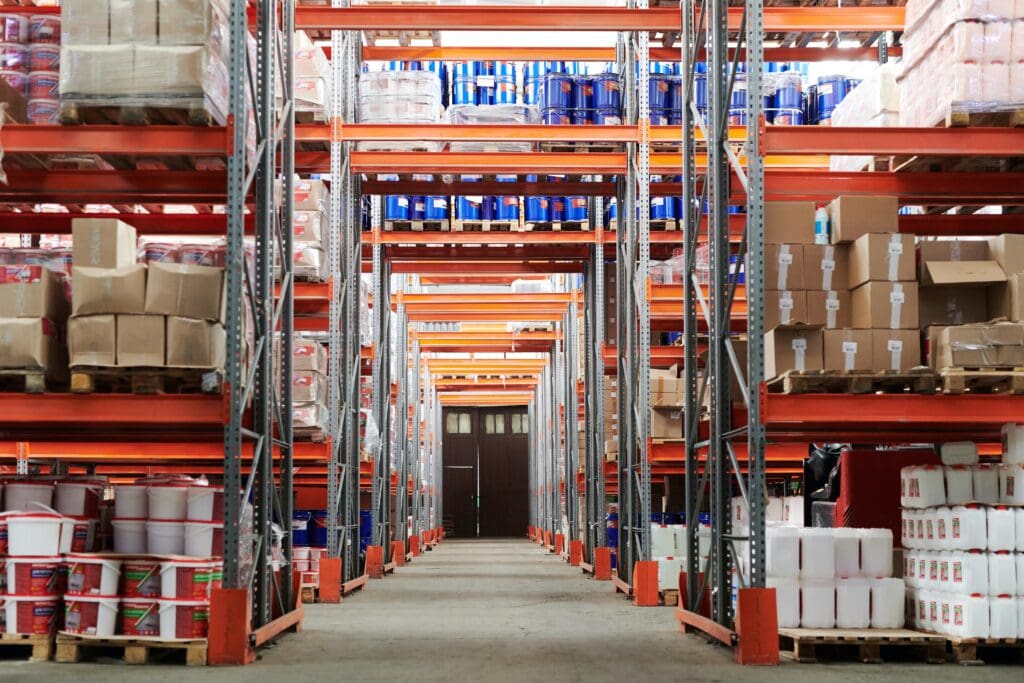
How to Choose The Best Storage Equipment
3rd October, 2022 | by support.gocreativeFinding the right storage equipment for your particular worksite isn’t always as simple as you might think. At Materials Handling, we provide numerous solutions for material storage, so it can be overwhelming to determine which is right for you.
That’s why we’re here to help you choose the best storage equipment.
How to choose the best storage equipment
\
What is storage equipment?
Storage equipment can include cabinets, lockers or any other storing solution that holds materials or items over a period of time. There can be many uses and applications of storage equipment and to one extent or another all industries and companies will require some level of storage solution to suit their needs.
The purpose of storage equipment
There can be many benefits to having a robust industrial storage solution. For starters, it ensures your products and items are protected, secure and safe. Additionally, it provides for better organisation and accessibility of tools and equipment which translates into increased efficiency and productivity. Last but not least, it ensures that your worksite, workshop or floor space is kept as clean and usable as possible.
What to consider when choosing storage equipment
When you’re looking for the right storage equipment to suit your needs, take the following factors into consideration.
1. Size and space
Where is the storage cabinet going? How much/many items are you planning on storing inside? What sort of shaped storage system do you need to fit into the desired area?
2. Safety and surveillance
Many storage cabinets come with locks and other safety features to ensure the items inside are secure. Think about what sort of products or materials you are storing and what level of security they require.
3. Accessibility and convenience
The level of accessibility and convenience of access will help narrow down the options to storage solutions that can either quickly open or provide for longer term storage with more safety features.
4. Work Environment
If the storage safe is likely to be exposed to the elements or other factors, you’ll want to prioritse heavy duty and durable storage solutions over less robust options.
5. Appearance
Of course, this factor is mostly subjective and up to your personal preferences. Nonetheless, choosing the right storage facility that suits the rest of your workspace will make for more aesthetic appeal in general.
Choosing proper storage equipment
Choosing proper storage equipment is vital to ensure your items are provided with the right level of safety and security from damage, theft or loss.
Every storage solution, whether it’s a cabinet or locker, offers different benefits and organisation arrangements. By spending the time and effort considering how you plan on using it and what you plan on storing inside it, you’ll find you and your entire team enjoying improved operational efficiency and productivity for a long time to come.
Not to mention the fact that raw or hazardous materials need to be stored in a regulation-compliant and heavy duty system. The last thing you want is damage or injury to property or workers.
Types of storage equipment
Flammable liquid safety cabinets
Some storage solutions are designed for particular uses, such as the flammable liquid safety cabinets. Manufactured in line with Australia regulations, they’re built for purpose and are perfect for housing flammable or otherwise dangerous goods. Special safety features are included as well such as vents with flash arresters or even self-closing doors on certain models.
Highly resistant cabinets
It’s not just flame and fire that you might be contending with. Even if the material being stored inside isn’t dangerous in and of itself, your cabinet or storage solution could be exposed to damage externally. Whether it’s fire, extreme temperatures, moisture (causing rust) or impacts from passing workers, machinery or vehicles, highly resistant cabinets will provide equal parts peace of mind as well as good protection.
Compartment cabinets
Keeping your equipment organised in storage is practical for many reasons. You’ll be able to fit more items into less space; you’ll be able to find and access more items quicker; and it will look professional and neat. Compartment cabinets are excellent storage equipment solutions for exactly that reason. Depending on the nature of the items you’re planning on storing, you can find and choose a style of compartments that works for you.
Adjustable and heavy duty
If you need to store big, heavy, bulky or oddly shaped items, an adjustable and heavy duty storage cabinet is the way to go. These types of cabinets and lockers often feature removable shelving or customisable designs so that it can work to meet your needs and not the other way round. Remember to check that the storage facility you’re considering has a load bearing capacity that suits your equipment.
Internal Safety Cabinets
Internal safety cabinets can be used for any number of items. Corrosive or otherwise harmful materials can be kept secure and out of the wrong hands, and personnel items can be stored out of sight and reach of would-be thieves or no-gooders.
Want the best storage equipment? You want Materials Handling!
For years Materials Handling has been assisting businesses in improving their productivity, efficiency and safety through our products and solutions. We don’t believe in a one-size-fits-all approach and love tailoring our materials handling solutions for our customers.
-
Lifting to new heights with Barbaric
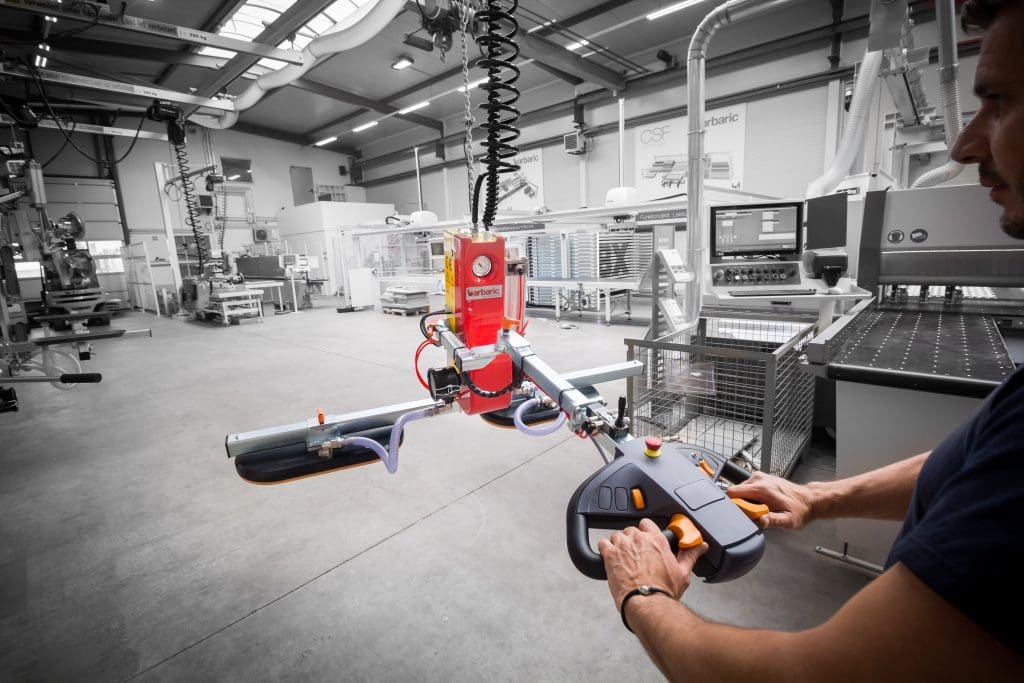
16th February, 2019 | by materialshandlingA new lifting technology is fast-becoming a must-have in any organisation where Workplace Health and Safety is paramount. Developed in Austria and utilising state-of-art, patented components, the Barbaric Lifter Series offers sophisticated vacuum handling technology with an array of safety benefits.
Aiming to optimise workflow and enable resourceful handling, Barbaric Lifters save in valuable production time. Not only do they ensure users can move oversized panels, but they provide maximum ergonomics without physical exertion.
Conventional manipulation by hand generally requires 2-3 employees, whereas Barbaric Lifters allows a single employee to perform the same duties, if not more.
The Barbaric Lifter Series supports customers through custom-made handling solutions for wood and glass while implementing ergonomic systems with high profitability return and increased efficiency.
The uniWood Lifter is an optimal standard lifter for wood board materials like panels, melamine sheets, MDF boards, chipboards, laminated boards and door panels. Alternatively, the safetyLifter sets the standard for glass handling and lifting. Other high reliable and flexible vacuum lifters are also available for glass, window and wood industries.
The lifting processes for any Barbaric vacuum handling device ensures stability with lightweight constructions, flexible suction beams and diverse functionality.
Quality, efficiency and innovation are keywords that apply to Barbaric’s operations. The family-run business, are committed to providing optimally functional handling systems suited to any customer’s needs. As such, customised solutions can also be tailored to specific requests.
Materials Handling is an exclusive agent for Barbaric Vacuum Lifters. Our range includes:
- B3 doorLifter Vacuum Lifter for the lifting and tilting of doors;
- Barbaric flexiLifter for the lifting of a vast range of materials;
- safetyLifter for the lifting and handling of glass;
- uniLifter Vacuum Lifter for the safe handling of non-porous items; and,
- uniWood Vacuum Lifter for the lifting and handling of wood.
For more information on the product range, visit our Overview of Barbaric.