
Search Results for: 心源性猝死如何急救 热搜 2026年3月 张雪峰
-
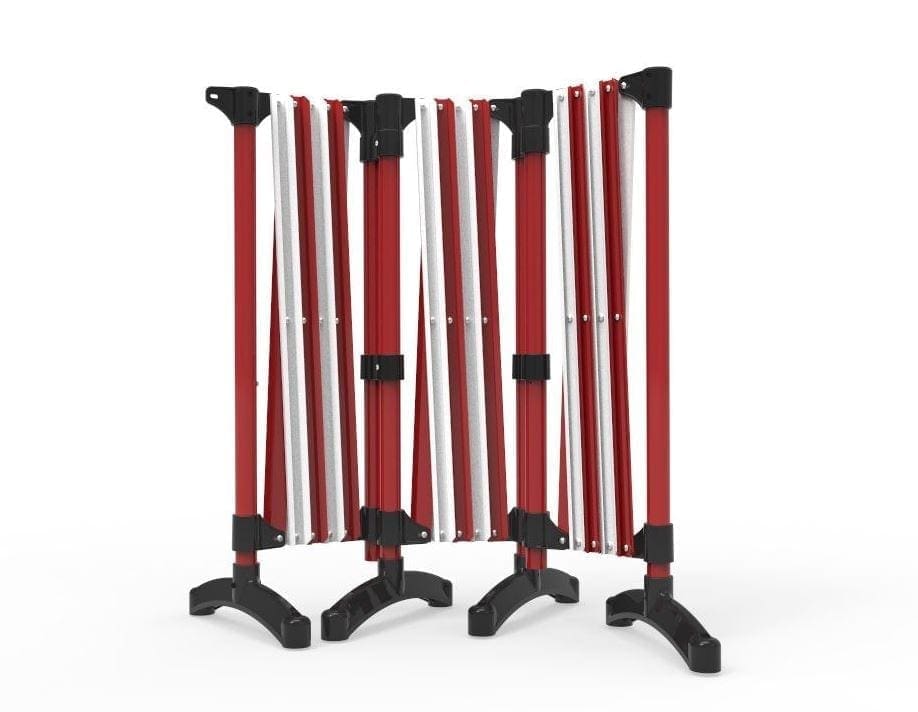
Retractable Barriers Port-A-Guard Utility
3rd March, 2017 | by excitemediaConsisting of three sides – each capable of expanding out to 2.6m – the Port-A-Guard Utility has been designed for cordoning off small spaces. This Port-A-Guard is manufactured from noncorrosive powder coated aluminium, and is compact and easily carried by one person. They have red/white or black/yellow powder coated finish. Weight: 17kg. Width when closed 360mm. Width when fully extended 3 x 2600mm (7.8metres).
-
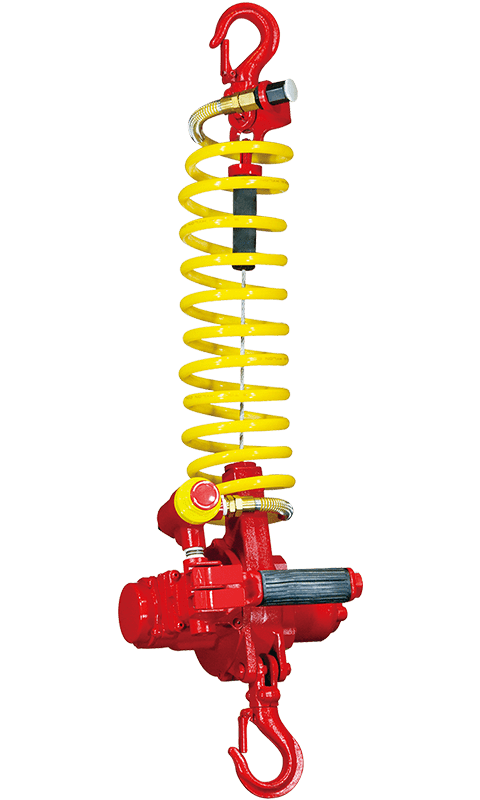
Wire Rope Hoists – Air Powered Mini-Mighter
3rd March, 2017 | by excitemediaThis compact pneumatic hoist has been turned upside-down to present the controls directly above the load. This makes it an ideal materials handling device as it provides the operator with excellent control of the load.
The lifting speed is variable as the operator controls the up and down function from the single-hand control. As is the case with all pneumatic industrial equipment, the device is suitable for heavy duty applications with very little maintenance.
The Mini-Mighter Air Hoist is safe, lightweight and easy to carry. It weighs only 10 kg, has a lifting capacity of 140 kg and a max lift height of 3 m.
-
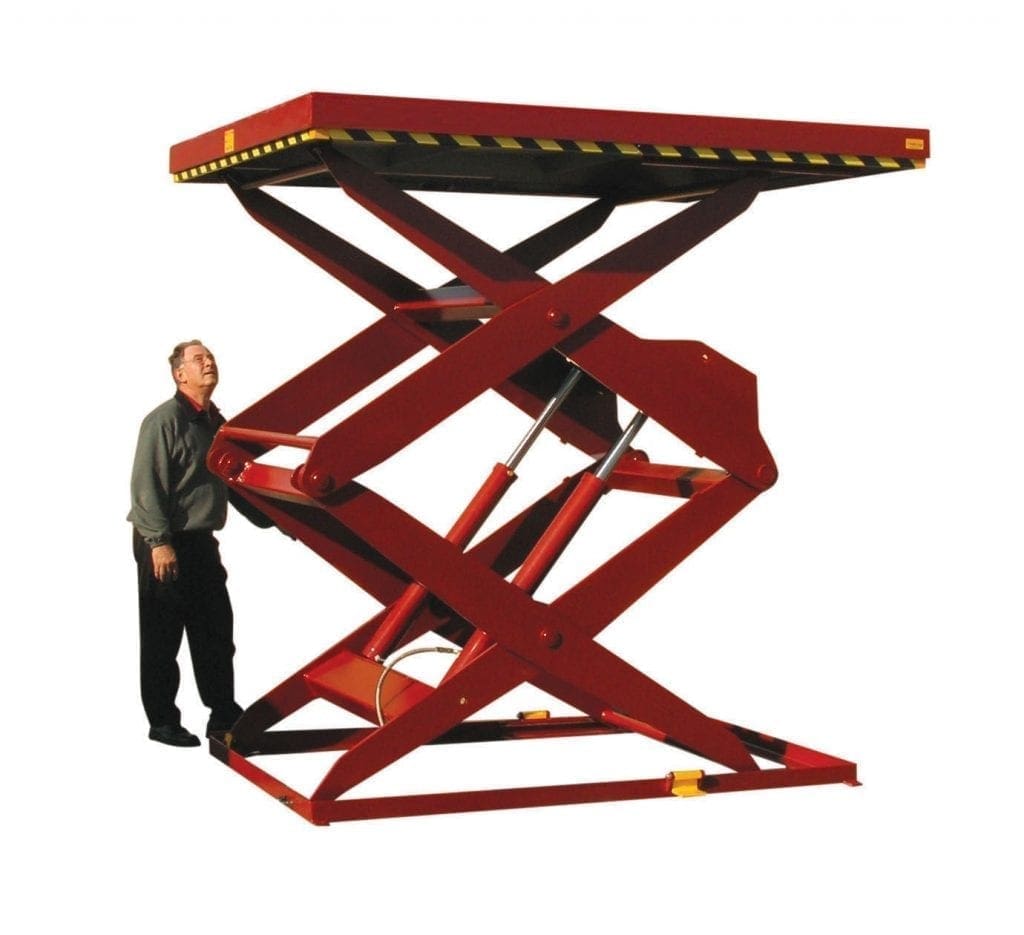
Scissor Lift Tables
3rd March, 2017 | by excitemediaOur maxi range of scissor lift tables provide capacities up to 100 tonne and lift table strokes of 13 metres are available and they can be supplied with many options or custom features.
Variations of our tables include 1, 2, 3 and 4 stage, tandem long, tandem wide, pit mounted or totally enclosed for floor to floor applications. They are ideal for lifting or lowering heavy machinery and capable of combining with a wide variety of materials handling equipment. They are excellent for conveyor and systems integration in factories and warehouses. Just advise the capacity, deck size, travel stroke and any additional requirement and we will provide our best offer to suit your needs.We can custom fit our Air Film Movers or Air Skate systems to the large scissors to make them easily mobile.
- Energy Regeneration System which reduces running costs by regenerating electrical power. It can be supplied on large lifts with higher travel
- Durable long life design
- Custom platform and lift stroke
- Platform can incorporate conveyor, personnel station, boom gates, light curtains, hand rails, load flaps, special surface treatments, chequer-plate
- Personnel lift modifications
-
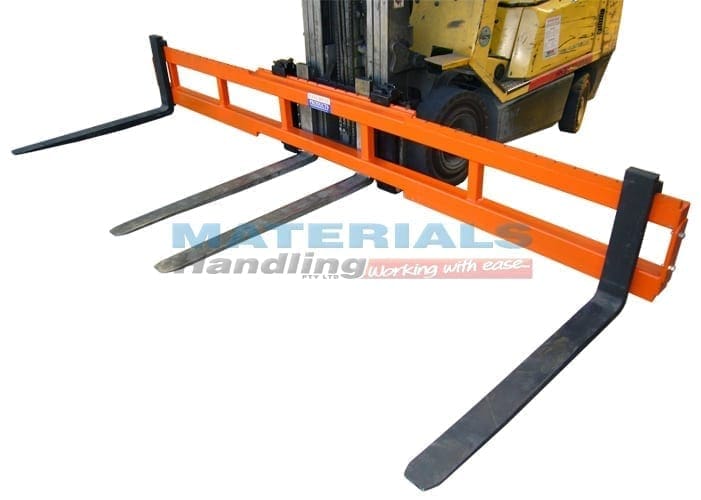
Fork Spreaders Forklift Carriage Mounted
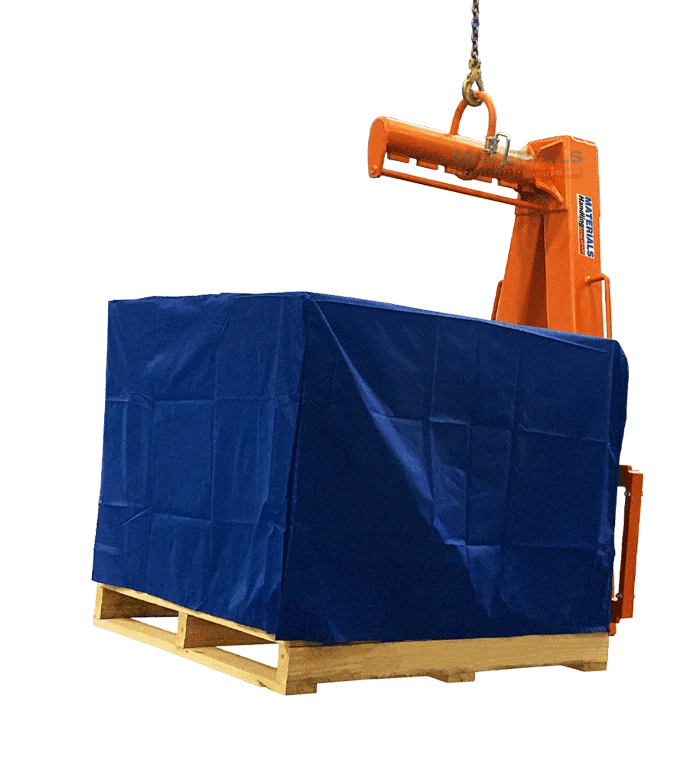
3rd March, 2017 | by excitemediaThe unique MFWL CARRIAGE MOUNTED FORK SPREADER allows for connection to the forklift without requiring fork tynes. Adjustable hook-on points allow the position of the forklift forks to be moved to the optimum position and still allow connection of the fork spreader to the carriage. Quick release bottom hooks ensure safe and easy connection without the use of tools. Outer forks are adjustable between 1300 and 3500 mm centres allowing the fork spreader to be used as a wide load attachment. These are perfect for transporting otherwise easily damaged and flexible products such as plasterboard and timber, leaving minimal gaps between the packs. Supplied with outer forks 1070 mm long. Enamel painted finish in safety orange.
MFWL236 Class 2
- Overall Width: 3640 mm
- Unit Weight: 280 kg
- Working Load Limit (WLL): 2500 kg @ 600 mm Load Centre
MFWL336 Class 3
- Overall Width: 3640 mm
- Unit Weight: 410 kg
- Working Load Limit (WLL): 3000 kg @ 600 mm Load Centre
-
Ball Transfer Tables
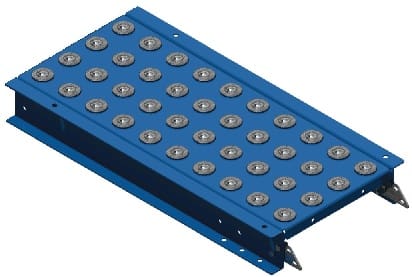
3rd March, 2017 | by excitemediaOur Ball Transfer Tables help move goods in any direction, across a horizontal plane. They are primarily suited for moving steel plates, around guillotines and presses, multi-directional transfers of products between conveyors and handling components in tote boxes around machines.
Standard Ball Transfer Conveyor Decks:
- Mild steel modular construction powder-coated
- 750, 1500 or 3000mm lengths with 35 x 90 x 3mm side channels
- B/B widths 317, 417, 517, 617 or 817mm
- CWC02 push in ball transfer with 75mm pitch centre to centre
These products are custom made to order. See 3 examples below in Product Variations. Please ask our facilitators for a proposal.
View our range of individual ball transfer units.
-
Antistatic Bonding Wires
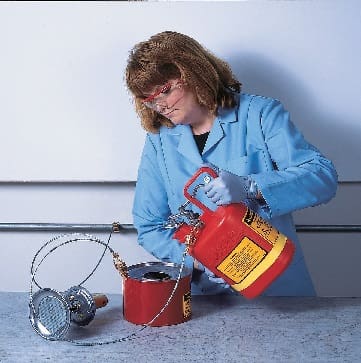
3rd March, 2017 | by excitemediaPrevent sparks from static electricity generated by the movement and flow of flammable liquids. Antistatic Bonding Wires are effectively grounded, removing static electricity completely.
This product aims to dissipate any electricity that can be generated when transferring flammable liquids.
During waste collection operations, use one antistatic wire to bond from a safety container to a receiving vessel such as a funnel, then properly ground by attaching a second antistatic wire to the drum and then to the earth ground.
Standard wire lengths are 1 and 3 metres. For longer reach, use several wires with 6-mm terminal ends.
-
How To Boost Your Profits With The Right Jib Crane
2nd January, 2024 | by ConetixSupportSelecting the Perfect Jib Crane to Meet Your Business Needs
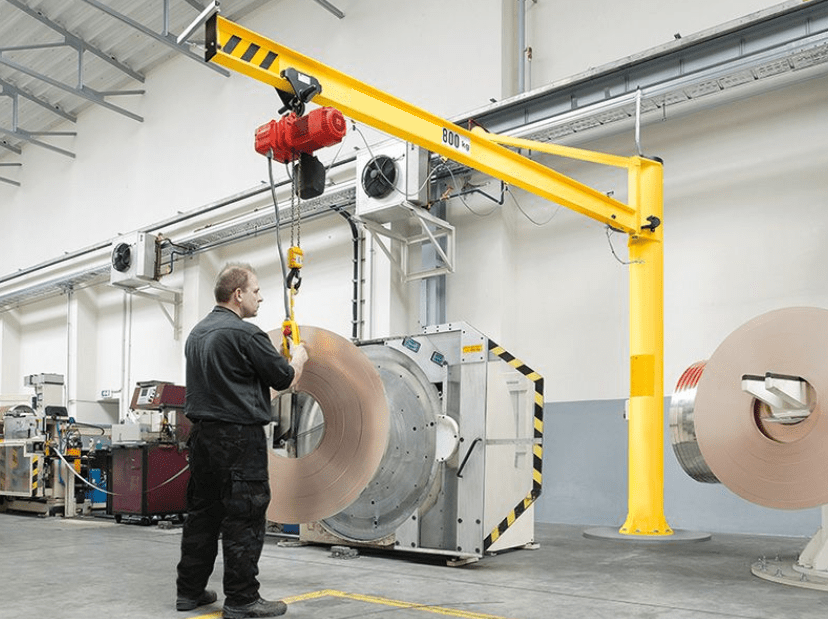
Choosing the perfect jib crane streamlines your operations and significantly boosts profits by enhancing efficiency and reducing operational costs. We offer a wide range of material handling products, each made for different jobs – but which is right for your business?
To make the right decision, you need to know which piece of material lifting equipment you need so that it aligns perfectly with your business’s unique requirements. The solution is to consider specific factors that define each crane, such as how much weight they can lift, where you’ll use them, and how much space they need.
Let’s start with an overview of our fleet of material handling products and then move on to the specifics that help you select the best one for your business.
Types of Jib Cranes
At Materials Handling, we have four different categories of jib cranes, as well as supporting equipment – here’s a quick overview of these cranes and their uses.
1. Davit Cranes
Ideal for portable lifting, the Aluminium Porta-Davit and T-Davit models offer flexibility and ease of movement. These cranes are especially useful in outdoor and remote job sites, as they can easily be transported and set up quickly for tasks such as construction lifting and emergency rescue operations.
2. Floor Cranes
The Mobile Workshop crane is perfect for manoeuvring in tight spaces, ensuring material lifting is efficient even in constrained environments. These jib cranes are ideal for indoor use in warehouses and workshops, where their compact design allows for efficient lifting and handling of materials without obstructing regular operations.
3. Gantry Cranes
These include the Mobile and Mobile Aluminium Porta-Gantry models, which are suitable for larger-scale operations requiring mobility and robust lifting capacity. Gantry Cranes are valuable in shipyards, construction sites, and manufacturing plants, where they can handle heavy loads and provide essential support for tasks such as equipment assembly and lifting and transporting heavy materials.
4. Specialised Jib Cranes
The Aluminium MechRail, Articulated, Low Headroom, Portable MobiCrane, Modular JibFlex, and Workstation material handling products cater to specific requirements. For example, low headroom spaces or the need for precise positioning.
5. Support Equipment
Jibs for Cable and Hose Supply, Quick-Lift Arms, and the Vacuum Lifter EasyCrane augment the functionality of jib cranes, facilitating smoother operations.
When choosing material lifting equipment, consider these factors
Now that we’ve explored different types of material lifting equipment and their applications, it’s important to focus on the key factors to consider when choosing the right jib crane for your specific business needs.
- Load Capacity: Match the crane’s capacity with your typical lifting requirements.
- Reach and Coverage: Ensure the crane’s arm length and rotation meet your workspace’s dimensions.
- Installation Requirements: Evaluate your facility for installation feasibility, including space and structural support.
- Maintenance Needs: Regular maintenance is vital for safety and longevity. Choose a crane with accessible parts and service options.
When you consider these factors and understand the unique applications of each jib crane, you’re in an excellent position to select the one that aligns perfectly with your business’s needs. For more details on our material lifting equipment, call us at 1300 258 407 or email us – we’re glad to help!
-
Safety Matters: Best Practices for Operating Pallet Forks on the Job
19th December, 2023 | by ConetixSupportIn every workplace and on every worksite, safety is of paramount importance. Ensuring your team can operate in a secure and accident-free work environment is not just a legal obligation but a moral one.
Pallet forks are a crucial piece of equipment for moving and transporting goods and products around the workplace. But they do introduce a risk factor.
To help you make the most of both the utility of pallet forks, and even pallet hooks, while maintaining an impeccably safe workplace, we’ve put together this handy guide of best practices for you.
1. Inspect and Maintain Equipment
The pallet forks you use should be inspected regularly and maintained frequently. This ensures that any signs of wear and tear, damage or malfunction are identified as soon as possible and the risk of injury or accident is minimised. Even when there are no concerning signs of degradation, routine maintenance should be carried out on a rigorous schedule. Keeping everything lubricated, properly pressurised and tightened is a proactive way of taking care of your pallet forks and, in turn, your team.
2. Train Your Operators
Knowledge is power and power in this instance is maintaining a safe workplace for all. A well-trained pallet fork operator will have the skill and understanding to control this useful piece of equipment in a way that will minimise potential hazards in the work environment. It’s not just about operations either. Training your team on general OH&S best practice will help promote a safe environment and reinforce your commitment to everyone’s wellbeing.
Consider more formal or official training programs to cover the basics of operation but also load capacity awareness. Provide support in understanding the dynamics of load distribution and the potential impact on stability. Remember, these lessons and training should be regularly updated and your team given refresher sessions to make sure everyone is across necessarily updates in safety regulation or differences in equipment specifications.
3. Familiarise Yourself with OSHA Guidelines
As we mentioned above, safe operation of pallet forks and pallet hooks, as well as all Materials Handling equipment, is not just about meeting legal requirements but ethical ones as well. Nevertheless, ensuring your understanding of and compliance with relevant Occupational Safety and Health Administration (OSHA) guidelines is both non-negotiable and a good place to start. These regulations cover everything from operating practices to equipment specifications, and can help you create a truly safe workplace for the entire team.
If you’re unsure what sort of training you should be conducting or records of pallet fork inspections and maintenance you should be keeping, the OSHA guidelines are invaluable for ensuring you meet all safety, legal, regulatory and moral obligations.
4. Load Capacity Awareness and Attachment Usage
Safe pallet fork operation requires many different skills: Operation of the equipment itself, awareness of one’s surroundings, and even load capacity awareness. Exceeding specified weight limits can compromise one’s safety, the stability of the equipment and the risk of accident and injury. All operators need to be well-informed on the weight bearing capacity of the pallet forks in use.
If your team uses attachments, make sure they are properly trained in its usage to avoid loads being unbalanced and decrease the risk of accidents from occuring. Regular training and open communication are good ways to tackle this challenge.
5. Safely Handling Practices Culture
A culture of safety first is critical for ensuring safety comes first. Enforce proactive responses and communication to ensure operators operate the pallet forks at controlled speed, maintain load capacities requirements, avoid abrupt movements and keep clear visibility of their surroundings. Keeping the workplace safe and secure for everyone requires a team effort and the operations of a team begins and ends with the culture and precedent that is created.
Find Your High Quality Pallet Forms at Materials Handling
Prioritising safety requires awareness and commitment in the workplace. When it comes to pallet-moving machinery such as pallet forks, your best first step is sourcing the equipment from a reliable, reputable supplier: such as Materials Handling.
Check out our range of pallet forks and pallet hooks today to find the right equipment to help you operate safely, efficiently and productively.